Mechanical Vs. ANS Driven Pain, What’s the Difference?
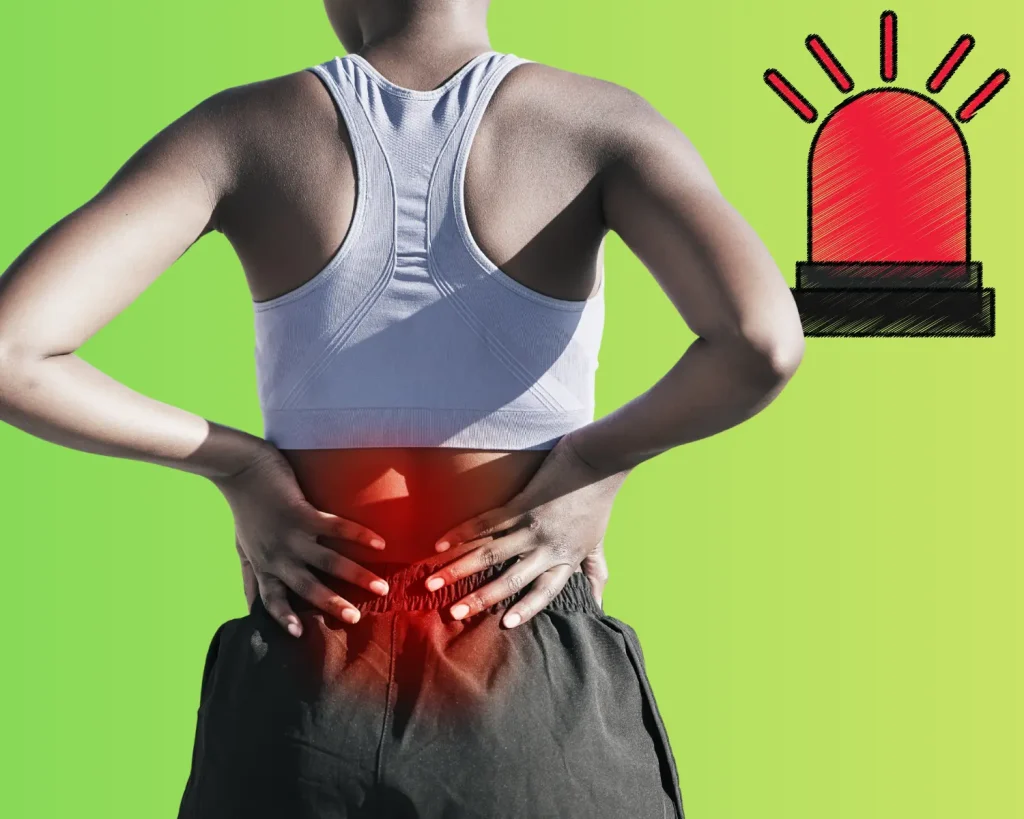
Herein, we will break down the difference between mechanical pain and pain driven by the autonomic nervous system (ANS). Both sources can cause pain in the musculoskeletal (MSK) system, which sends signals to the brain that are perceived as unpleasant. However, only one pain source listed above is fully treatable within our scope of practice as physical therapists. The other type is also treatable with a variety of techniques, some of which we can employ, and others that may require further dialog. Let’s dig in to figure out more!
First, Let’s Define Some Terms
Musculoskeletal System: A combination of the skeletal system (bones and ligaments) and the muscular system (muscles and tendons) and the connective tissues that surround and connect them together, fascia.
Autonomic Nervous System: Made up of 2 main parts: the sympathetic and the parasympathetic nervous systems. The sympathetic system is commonly referred to as the fight or flight branch, while the parasympathetic is known as rest and digest.
Pain is a normal and much needed part of life. There is both mechanical pain and ANS-driven pain. Both affect the MSK system but in different ways. Let’s look further.
Mechanical pain is triggered by tissue overload. The minute the overload is removed the pain subsides. For instance, if I lift a weight that is too heavy for my biceps the overloaded stretch reflex will elicit a pain response that will subside once I drop the weight.
ANS driven pain is much more complex. The ANS is active all the time and we are not consciously aware of most of its effects. For example, after a good meal when we are calm and sitting our organs are working away at digesting and delivering all kinds of nutrients, keeping a steady heart rate, and chemicals at baseline. Let’s say all of a sudden someone drops a glass that breaks, our heart rate jumps up, muscles tense, and eyes constrict to laser focus on the source of the threat thanks to the sympathetic system. If we identify quickly that it was “just a glass breaking” and all is well, then we will shortly return to a relaxed parasympathetic state. In some cases, it is not safe to relax and our body will remain in a hyperalert state for an extended period of time. If the high sympathetic drive scenario is what one finds themselves in often, with little reprieve, then the elevated levels of brain chemicals, heart rate metrics, and hormone responses take a toll on our overall health. Sometimes it starts to present as pain in our muscles, joints, or fascial system. So, the source of this pain is ANS driven, but it is now present in the MSK system.
Now, What Can Be Done About Mechanical Pain Versus ANS Driven Pain?
The simple answer for mechanical pain would be to avoid overload, but in many cases our everyday athletes are already in an overload pain cycle or have activities and goals that they want to pursue in a repetitive nature such as running, pickleball, or basketball on top of a full time job and home responsibilities. Seeing as none of us are getting any younger and we lose about 10-12% baseline strength per decade of life beginning in mid-30’s, we need to be aware of how to strengthen and load without triggering mechanical pain or issues. Any functional activity or sport can be supported with a base strength in three main “muscle groups” that are in charge of stabilizing the core to tolerate higher loads. These are the lower abs, the glutes, and the shoulder blade stabilizers. All three of these muscle groups should be active when we load (e.g. weight lifting, carrying a case of water to the car, or picking up a child). The way we use these groups is primarily by feeling them. This is a harder concept than expected because “feeling the body” is a process of interoception, a non-myelinated sensory experience. Feeling the body, especially interoception, is not a given, it is a learned trait. Most athletes, including you and me, have to learn to “feel” the body. By feeling the movement, the athlete can successfully progress the load because they can self-monitor mechanical pain and distinguish when tissue overload is problematic. Essentially, by “feeling their body”, the athlete knows how to progress safely with loading and prevent mechanical injury..
While mechanical pain is driven by overload, ANS-driven pain is driven primarily by threat. The hallmark feature of this pain is that it remains whether you load the tissue or not, subsiding by achieving homeostasis in the ANS by resolving the perceived threat. This threat may be actual or perceived, but in many nuanced circumstances, oftentimes remains subconscious unless the person becomes aware of it. For instance, when a glass breaks it activates the cardiovascular system without conscious input. In the same way, it will activate the fascia within the musculoskeletal (MSK) system and thereby be perceived as tension or pain. Ultimately, however, the sympathetic input must travel through a complex series of steps at the level of the brain and body to recalibrate into homeostasis. In short, ANS-driven pain resolves when a person reconciles the threat internally which, ultimately, leads to a return to a felt sense of safety and social connection.Some techniques to balance ANS-driven pain that we employ as part of our practice include: massage, deep pressure, breathing techniques. However, at other times, integrating this pain requires the assistance of other licensed professionals (counselors) trained in the neuroscience we have addressed above. These individuals specialize in powerful, evidence-based techniques that move beyond talk therapy and integrate the mind-body connection such as EMDR, brainspotting, ART to help a person achieve a felt sense of safety.
Let’s Wrap It Up!
Clearly, we are complex beings that embody a combination of sensors and systems to protect us as well as let us experience great joy with movement. At the end of the day, tuning into our felt sense will give us valuable training tools to help us lift stronger, run faster, and keep agile as we age, but it does not stop there. Tuning into our inner world will help us stay connected, compassionate, curious and fun to be around whether that is on the court or over a good cup of (decaf for Sara) coffee.I
By: Dr. Germaine Herman, PT (IFS level 1 trained, somatically informed, introspective)
Dr. Sara Zehr, PT (Weightlifting Coach Level 1, introspection is a chore)
P.S. We all have a story that plays into our own unique responses to life. Below are great resources to learn more on this topic
Podcast: by Sarah Baldwin “You Make Sense” (https://www.sarahbaldwincoaching.com/).
Article: A Beginner’s Guide to Polyvagal Theory. ©2018 Deb Dana, from The Polyvagal Theory in Therapy: Engaging the Rhythm of Regulation. https://www.providence.org/-/media/project/psjh/providence/or/files/behavioral-health/polyvagal-theory-beginners-guide.pdf?rev=4cd050ae564045f0befd9984463634b7&hash=1869BE41FA8DD81A453D06A49BC8080A
Book: Porges, S.W., & Porges, S. (2023). Our Polyvagal World: How Safety and Trauma Change Us. W.W. Norton & Company.
Courses: Studio A in Brownsburg: Allie and her team offer multiple courses centered on ANS-driven pain. https://www.studioabody.com/
