What Is a Power Type Exercise?
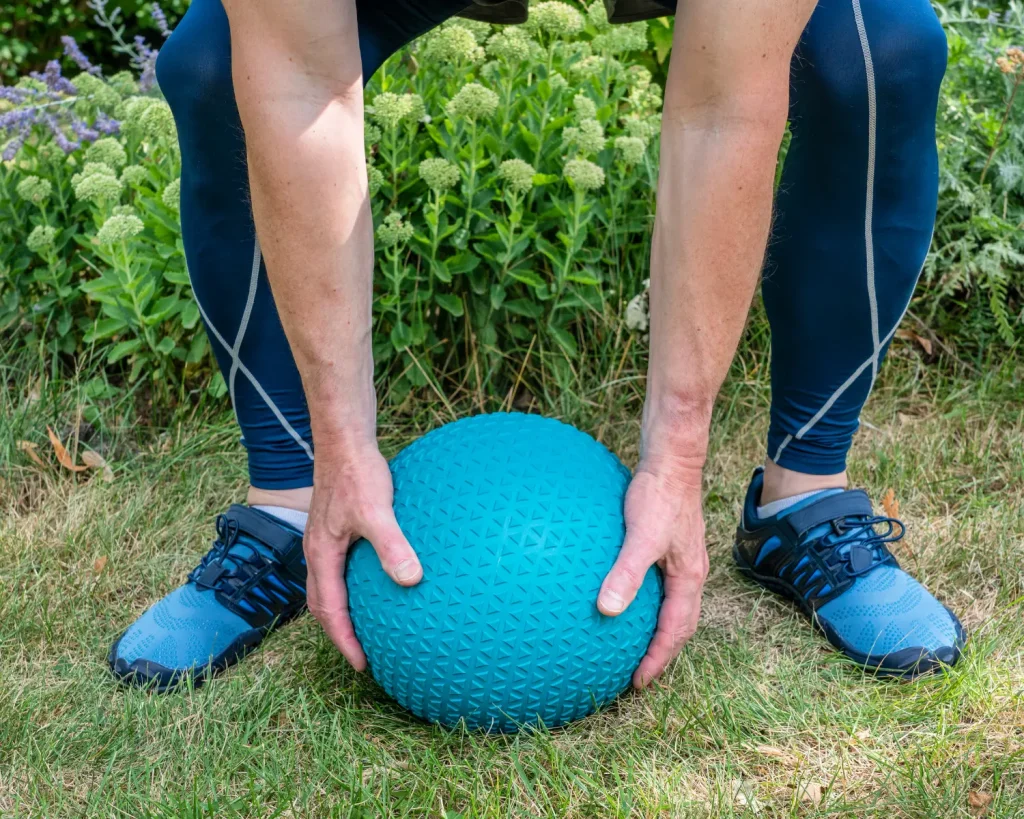
When people think about working out, they often think about two main goals: getting stronger and improving endurance. But there is another quality that is incredibly important for staying athletic and capable as we age and that quality is power.
Power training is not just for athletes. In fact, it might be one of the most valuable types of exercise for the average person who wants to stay active, confident, and age well.
What Is Power in Workout Terms?
In simple terms, power is the ability to produce force quickly, while strength is how much force your muscles can create. Power uses that muscle force in a quick movement. Here are a couple common examples to put it into practice. A slow squat, weighted appropriately, builds strength and a squat jump builds power. Both are necessary components of training. Today, we will focus on the benefits of power movements.
Why Power Exercises Are Beneficial for the Average Person
Everyone can benefit from power exercises, from the elite athlete to the aging grandmother. In fact, power training may be more important for everyday life and health for grandma. We all have heard the physiological truths about aging: gravity wins, if you don’t lose it you lose it. Well, muscle fibers that respond with fast twitches are among the use it or lose it category. Doing nothing will lead to a decline in strength and moreso power as we age, which is why maintaining it is so important.
Power shows up in everyday situations like:
- Catching yourself if you trip
- Stepping quickly off a curb
- Lifting a heavy box into the trunk
- Getting up from the floor
- Climbing stairs with ease
- Reacting quickly during sports like pickleball, tennis, or basketball
Research consistently shows that maintaining power helps improve:
✔ Balance and fall prevention
✔ Athletic performance
✔ Joint stability
✔ Reaction time
✔ Overall movement confidence leading to a decreased fall risk
Many traditional workout programs focus heavily on slow strength training. That is helpful, but if you only train slowly you may be missing an important piece of the puzzle. Adding power training helps your body learn to use the strength you already have more efficiently.
How Do I Get Started With Power Exercises?
The key to power training is starting with the right foundation. At The Perfect Squat Physical. Therapy. Gym., we always make sure people have good movement patterns and adequate strength before adding speed. Once those basics are in place, power exercises can be introduced gradually.
Here are a few beginner friendly ways to start.
1. Start With Bodyweight Movements
Simple explosive bodyweight exercises are a great entry point.
Examples include:
• Squat to calf raise
• Small vertical jumps called pogo hops
• Step ups performed quickly
• side to side skater hops
The goal is speed and control, not exhaustion.
2. Keep Reps Low and Quality High
Power training is different from endurance training. Instead of doing 20 or 30 reps, power exercises often look like:
• 3 to 6 reps
• 3 to 5 sets
• Full rest between sets
Each repetition should feel crisp and explosive.
3. Progress Gradually
Once the basics feel comfortable, exercises can progress to things like:
• Box jumps
• Kettlebell swings
• Medicine ball slams
• Olympic lift variations
The goal is always to move fast with good form, not to chase fatigue.
4. Train Power When You Are Fresh
Power exercises work best when performed early in a workout while your nervous system is fresh. Make sure you warm up adequately first with walking, air squats, dynamic motions to get the blood flowing and muscles reacting. Then do all the sets of your power exercise with full rest between sets. After power, now it’s time to hit the weights and focus on strength. Again, you should leave the workout feeling fresh and strong, not completely exhausted
Final Thoughts
Strength helps you move heavy things. Endurance helps you move for a long time. Power helps you move quickly and react when life happens.
Whether you want to stay competitive in sports, keep up with your kids, or simply maintain confidence in your body as you age, power training can play an important role; the key is learning how to incorporate it safely and progressively.
At The Perfect Squat Physical. Therapy. Gym., we help people build strength, develop power, and move better for life.
Because training should not just make you stronger, it should make you more capable in the real world.
By: Sara Zehr, PT, DPT, MPH, Cert-DN
Board Certified Orthopedic Specialist
